All projects

Skill 1.1

KSB 1.1 — Design and develop technology roadmaps, implementation strategies and transformation plans focused on digital technologies to achieve improved productivity, functionality and end user experience in an area of technology specialism

Situation

In several projects I was responsible for translating loosely defined business requirements into structured technical plans that could guide development and transformation of existing systems.

Task

My role was to analyse existing workflows and design a clear roadmap for how digital technologies could improve productivity, reliability, and user experience.

Action

I performed technical audits, mapped existing data structures, and developed phased implementation plans. For the Client_1 website this involved auditing the SAP-integrated platform and proposing a staged modernisation plan. For Client_2 application it involved designing the architecture and functional roadmap for a new operations platform that would replace fragmented spreadsheet-based processes.

Result

These activities produced clear development roadmaps that enabled stakeholders to understand the scope, risks, and implementation approach for each project. By translating business requirements into structured technical plans, both initiatives moved from vague concepts into actionable development strategies. In the Client_1 project, the proposal provided a phased path for modernising the existing SAP-integrated platform while minimising disruption to existing workflows. In the Client_2 project, the requirements specification established the architectural foundation for a new operations platform designed to replace fragmented manual processes. Reflecting on this work reinforced the value of structured discovery and planning in delivering reliable, scalable technology solutions aligned with business objectives.
Evidence

preliminary requirements document for Client_2's internal platform Stakeholder consultation and technical findings presentation Open PDF in new tab
DOCX Fully costed technical proposal and roadmap

Client Website Proposal

Download
DOCX Stakeholder consultation and technical findings presentation

preliminary requirements document for Client_2's internal platform

Download
Skill 1.2

KSB 1.2 — Deliver workplace transformations through planning and implementing technology based business change programmes including setting objectives, priorities and responsibilities with others in an area of technology specialism


Situation

Client_2 managed operational reporting across multiple gyms using a combination of spreadsheets, emails, and messaging platforms. This fragmented approach created a heavy administrative burden and produced inconsistent data, making it difficult for management to monitor performance or enforce operational standards. The business wanted a more reliable way to track compliance, analyse performance metrics, and reduce manual administration.

Task

My responsibility was to help define how a new internal system could replace these manual workflows. This involved analysing the existing reporting processes, identifying where automation could reduce administrative effort, and designing a structured digital solution that would support consistent data collection and reporting across all gym locations.

Action

I reviewed the existing reporting spreadsheets and audit documents used by Client_2 and mapped the operational workflows and actual data that they represented. Based on this analysis, I proposed the design of Client_2OS, a centralised platform that would automate task assignment, data collection, and performance tracking. I developed the initial system requirements and data model, ensuring that existing reporting metrics could be translated directly into database structures and automated workflows. I also proposed integrations with external systems such as Virtuagym to automate data ingestion where possible.

Result

This work established a clear foundation for transitioning Client_2 from fragmented manual reporting processes to a centralised operational platform. The documentation produced defined the structure of the system, the responsibilities of different user roles, and the workflows required to automate task management and performance tracking. By translating existing reporting practices into a structured digital architecture, the project created a roadmap for a system that would significantly reduce administrative workload while providing Jetts Central with reliable, real-time operational data for decision-making.

Evidence

Client_2 performance requirements doc Client_2 performance requirements doc Open PDF in new tab
preliminary requirements document for Client_2's internal platform Stakeholder consultation and technical findings presentation Open PDF in new tab
DOCX Client_2 performance requirements doc

Client_2 performance requirements doc

Download
DOCX Stakeholder consultation and technical findings presentation

preliminary requirements document for Client_2's internal platform

Download
Knowledge 1.3

KSB 1.3 — The strategic importance of technology enabled business processes, and how they are designed and managed to determine a firm's ability to compete effectively


Situation

Client_4 sell assorted cyber security related documents through the Square Online platform while delivering the content through a separate Moodle-based learning environment. When customers purchased a product, staff were required to manually create accounts in Moodle and grant access to the relevant course materials or manually email these documents to customers. This process was time-consuming, introduced delays for customers, and created the risk of human error. This manual workflow became a bottleneck that limited the organisation’s ability to scale its online training services.

Task

My responsibility was to design and develop, a piece of middleware, a technology-enabled process, that would remove the manual account provisioning step and ensure customers could access their purchased content immediately. The objective was to improve operational efficiency while also enhancing the customer experience by delivering course access automatically after purchase.

Action

I designed an integration layer between Square Online and the Moodle platform using a webhook-driven middleware application. When a purchase occurred on the e-commerce platform, the webhook triggered the middleware service, which validated the request and passed the order information to Moodle. The system then automatically created the user account, enrolled the customer in the relevant course, and generated a notification email containing their login credentials.

Result

This integration transformed the fulfilment process from a manual administrative task into an automated digital workflow. Customers gained immediate access to their purchased training materials, while internal staff no longer needed to create accounts manually. By removing this operational bottleneck, the organisation was able to scale its digital training services more efficiently while improving reliability and customer satisfaction, demonstrating the strategic value of well-designed technology-enabled business processes.

Evidence

Client_4 Meeting Minutes Client_4 Meeting Minutes Open PDF in new tab
Client_4 Software Development Plan Client_4 Software Development Plan Open PDF in new tab
DOCX Client_4 Meeting Minutes

Client_4 Meeting Minutes

Download
DOCX Client_4 Software Development Plan

Client_4 Software Development Plan

Download
Knowledge 1.4

KSB 1.4 — The principles of business transformation and how organisations integrate different management functions in the context of technological change

Situation

Two projects during my role required analysing how technology could support organisational change across multiple operational functions. The first was the design of an applicationfor Client_2, an internal operations platform intended to replace a fragmented administrative environment consisting of spreadsheets, emails, and manual reporting across a network of gyms. The second was a proposed upgrade to the Client_1’s service website, which relied heavily on SAP ERP data and required restructuring the interaction between the website, database layer, and SAP queries to support new operational workflows. Both projects required understanding how technology could restructure existing business processes.

Task

My responsibility was to analyse the existing business processes used by each organisation and determine how these processes could be supported or improved through new or updated technology systems. This required identifying how different management functions relied on existing tools and workflows, and designing technical solutions that could integrate these processes into more structured digital platforms. The objective was to ensure that technological change supported organisational operations rather than disrupting them.

Action

For Client_2 I produced requirements for a centralised operations platform replacing spreadsheet-based reporting with automated task management and analytics dashboards for gym managers and central teams. For the Client_1’s website upgrade I analysed SAP integration and proposed restructuring queries, importer plugins, and database architecture to better align the website with operational service workflows.

Result

These projects demonstrated how technological change can support organisational transformation by aligning digital systems with business management processes. In both cases the outcome was a structured technical design that allowed operational workflows, reporting functions, and business data to be integrated into more coherent digital systems. This reduced reliance on fragmented manual processes and enabled organisations to improve operational oversight, reporting accuracy, and the long-term scalability of their businesses.

Evidence

preliminary requirements document for Client_2's internal platform Stakeholder consultation and technical findings presentation Open PDF in new tab
DOCX Fully costed technical proposal and roadmap

Client Website Proposal

Download
DOCX Stakeholder consultation and technical findings presentation

preliminary requirements document for Client_2's internal platform

Download
Knowledge 1.5

KSB 1.5 — Own employer's business objectives and strategy, its position in the market and how own employer adds value to its clients through the services and/or products they provide

Situation

100AND10% is a full-service digital marketing and web development agency whose core work historically focused on WordPress websites and marketing-driven client projects. As the business grew, there was increasing interest in expanding into more complex development work and internal digital products. However, the company lacked formal development infrastructure and consistent engineering workflows, which limited the types of projects the business could confidently undertake

Task

My responsibility was to support the organisation’s technical capability by improving development practices and exploring opportunities for the company to expand its service offering. This involved understanding the company’s strategic position as a marketing-focused agency and identifying how improved engineering processes and internal product development could help the business deliver greater value to clients.

Action

I proposed the adoption of a structured version control strategy using GitHub Pro to standardise code management, enable collaborative development, and support modern development workflows such as branching, pull requests, and CI/CD integration.

Alongside this I worked on the design and am the sole developer for Client_2’s application, an internal operations platform concept intended to automate administrative workflows for a gym franchise network. This application serves as a prototype for a new business direction for 100and10%.

Result

These activities helped demonstrate how improved engineering practices and product-oriented development could strengthen the organisation’s service offering. Establishing structured version control supports more reliable delivery of complex development projects, while the Client_2’s application concept illustrates how the company could create higher-value digital platforms for clients rather than focusing solely on traditional marketing websites.

Evidence

Discussing the pros and cons of self-hosting version control vs using Github Discussing the pros and cons of self-hosting version control vs using Github Open PDF in new tab
DOCX Fully costed technical proposal and roadmap

Client Website Proposal

Download
DOCX Discussing the pros and cons of self-hosting version control vs using Github

Discussing the pros and cons of self-hosting version control vs using Github

Download
Knowledge 1.6

KSB 1.6 — How to justify the value of technology investments and apply benefits

Situation

At 100AND10% the development workflow and technology stack were shaped by the agency’s historical focus on WordPress projects. Code management was informal and new internal product ideas, such as the Client_2’s application, were initially planned as WordPress plugins. This approach risked limiting scalability and the ability to deliver more complex software systems for clients, while limiting our own ability to more effectively monetise them.

Task

My responsibility was twofold. First, I needed to evaluate and recommend improvements to the company’s development workflow by identifying a suitable version control platform that could support collaborative development and reduce operational risks associated with informal code management.

Second, I needed to assess the technical feasibility of the JettsOS concept and advise on an appropriate technology architecture. This involved determining whether the system should be developed within the existing WordPress ecosystem or as a standalone application framework capable of supporting a more complex operational platform that could be expanded on later in reponse to client needs.

Action

I produced a proposal recommending the adoption of GitHub Pro as the company’s primary version control platform, comparing it against self-hosted Git infrastructure and demonstrating that a managed platform would provide collaboration tools, CI/CD capabilities, and secure code management for a relatively low monthly cost.

At the same time, during discussions about the JettsOS concept, I recommended building the platform as a Laravel application rather than a WordPress plugin. This decision was justified on the basis of scalability, security, database flexibility, and the ability to develop a structured application architecture rather than forcing complex operational workflows into a CMS plugin environment. This was not outside of 100and10%‘s capabilities, as Laravel being PHP based and highly opinionated would make it easier to learn for WordPress developers.

Result

These recommendations demonstrated how targeted technology investments can deliver long-term value for an organisation. Adopting a professional version control platform improves development reliability and collaboration, while selecting an appropriate application framework for Client_2’s application ensures the system can scale into a full software product. Together these decisions support the company’s strategic goal of moving beyond simple website development toward more advanced software solutions, opening up the possibility of developing the application into a fully-fledged SaaS in time, or even a single-tenant appliction that we can copy clone to new servers as we sell it to new clients.

Evidence

Client Application Proposal Client Application Proposal Open PDF in new tab
Discussing the pros and cons of self-hosting version control vs using Github Discussing the pros and cons of self-hosting version control vs using Github Open PDF in new tab
DOCX Client Application Proposal

Client Application Proposal

Download
DOCX Discussing the pros and cons of self-hosting version control vs using Github

Discussing the pros and cons of self-hosting version control vs using Github

Download
Skill 2.1

KSB 2.1 — Negotiate and agree digital and technology specialism delivery budgets with those with decision-making responsibility

Situation

While working with both internal stakeholders, and external clients such as Client_1, technology decisions often involve financial considerations as well as technical feasibility. In particular, the Client_1 service website upgrade required a structured proposal outlining the scope of work, development phases, and estimated cost of implementing improvements to the system’s SAP integration and website functionality.

Task

My responsibility was to translate the technical work required into a clear delivery plan that could be understood and approved by non-technical decision-makers. This included estimating development effort, structuring the work into phases, and presenting a budget that balanced the client’s operational needs with realistic development costs.

Action

I analysed the technical requirements of the existing system, including the interaction between the Joomla website and the SAP ERP queries that provided repair and service data. Based on this analysis I created a phased development proposal outlining cosmetic improvements, backend data restructuring, and longer-term architectural improvements. Each phase included estimated development hours and associated costs to allow stakeholders to prioritise work within their available budget.

In addition to client-facing budgeting, I also evaluated internal technology investment decisions, such as recommending GitHub Pro as a managed version control platform for 100AND10%. I compared the operational costs and risks of self-hosted infrastructure with the relatively low cost of a managed platform and presented this analysis to management to support an informed decision.

Result

These activities enabled decision-makers to understand both the technical and financial implications of the proposed work. The structured proposals allowed stakeholders to prioritise development phases and approve technology investments with a clear understanding of cost, scope, and expected benefits. This ensured that technology delivery aligned with both business objectives and available budgets.

Evidence

Discussing the pros and cons of self-hosting version control vs using Github Discussing the pros and cons of self-hosting version control vs using Github Open PDF in new tab
DOCX Fully costed technical proposal and roadmap

Client Website Proposal

Download
DOCX Discussing the pros and cons of self-hosting version control vs using Github

Discussing the pros and cons of self-hosting version control vs using Github

Download
Skill 2.2

KSB 2.2 — Develop and deliver management level presentations which resonate with senior stakeholders, both business and technical

Situation

During the course of my duties, I am required to communicate technical findings and recommendations to stakeholders with varying levels of technical understanding. In particular, this occurred during the Client_1 service website consultation meeting and when presenting a version control strategy proposal internally at 100AND10%. In both cases, complex technical concepts needed to be explained in terms that would allow senior stakeholders to understand the operational and business implications of the proposed solutions.

Task

My responsibility was to analyse the relevant technical systems and present my findings in a structured way that allowed stakeholders to evaluate potential solutions. This required translating technical architecture and development workflow issues into clear explanations of business impact, cost, and long-term maintainability so that decision-makers could confidently determine the appropriate course of action.

Action

For the Cliebt_1 service website project I conducted an audit of the existing Joomla website and its interaction with the SAP ERP queries used to retrieve repair and service data. I then presented these findings during a stakeholder meeting, explaining how the system currently functioned and outlining a phased development roadmap that would improve the reliability and maintainability of the platform while supporting the organisation’s operational workflows.

Internally at 100AND10%, I produced and presented a version control strategy proposal recommending the adoption of GitHub Pro as the company’s primary code management platform. In this presentation I compared self-hosted infrastructure with managed services, outlining the operational risks of informal code management and explaining how structured version control would improve collaboration, reliability, and the company’s ability to undertake more complex development projects.

Result

These presentations enabled stakeholders to understand both the technical and business implications of the proposed solutions. By framing technical decisions in terms of operational efficiency, risk reduction, and long-term maintainability, I helped decision-makers evaluate technology strategies more effectively and move forward with clearer development practices and project planning.

Evidence

Discussing the pros and cons of self-hosting version control vs using Github Discussing the pros and cons of self-hosting version control vs using Github Open PDF in new tab
DOCX Client Meeting Minutes

Client Meeting Minutes

Download
DOCX Discussing the pros and cons of self-hosting version control vs using Github

Discussing the pros and cons of self-hosting version control vs using Github

Download
Knowledge 2.3

KSB 2.3 — The role of learning and talent management in successful business operations

Situation

Within digital and technology roles, the rapid pace of technological change means that organisations must continually invest in developing the skills of their staff in order to remain competitive. During my apprenticeship I recognised that expanding my knowledge in both user experience design and cybersecurity would improve my ability to contribute to projects and provide more value to clients and employers as even though the two domains are worlds apart, they both are necessary aspects of Software Engineering.

Task

My objective was to strengthen my professional skillset by undertaking structured training in areas that are strategically important for modern digital systems. This involved developing both user-focused design capabilities and security-focused technical knowledge, ensuring that the systems I work on are both usable and secure.

Action

To develop my understanding of user-centred design, I completed a Professional Certificate in UX Design. This training focused on research methods, user journey mapping, interface design principles, and usability evaluation. These skills are directly relevant to designing digital systems that are intuitive and effective for end users.

Alongside this, I completed the Certified Ethical Hacker (CEH v13) course, which provided structured training in cybersecurity concepts including threat modelling, penetration testing techniques, and common vulnerabilities within modern applications and infrastructure. This knowledge helps ensure that security considerations are integrated into the design and development of software systems and hosting infrastructure.

Result

These learning activities strengthened my ability to contribute to digital projects by combining usability and security perspectives when evaluating technology solutions. Continuous professional development in these areas supports both individual capability and organisational effectiveness, ensuring that digital systems are designed to meet user needs while also protecting organisations from evolving security threats. The CEH course in particular serves a dual role, particular as I work in a mareting agency. Everyone knows what a hacker is these days, and doing the course serves to enhance the perception of the quality of my work.

Evidence

QA Certificate of Attendance QA Certificate of Attendance Open PDF in new tab
PDF QA Certificate of Attendance

QA Certificate of Attendance

Download
PDF QA Certificate of Attendance

QA Certificate of Attendance

Download
Skill 3.1

KSB 3.1 — Evaluate the significance of human factors to leadership in the effective implementation and management of technology enabled business processes

Situation

During a client consultation regarding Power Automate workflows, stakeholders requested automation that would export Power BI report pages to Excel and distribute them to different teams. While technically possible, this approach was tightly coupled to the report layout and risked becoming fragile if reports changed. The request highlighted the importance of considering how users interact with systems when designing automated processes.

Task

My responsibility was to evaluate the request and determine whether the proposed approach would produce a reliable automation workflow. This required understanding both the technical architecture of Power BI and the way stakeholders interacted with the reporting tools in their day-to-day work.

Action

I analysed the purpose behind the request and recognised that stakeholders were thinking in terms of the visual reports they used daily rather than the underlying data structures. I therefore reframed the problem and proposed a “data-first” automation approach, recommending that automation target the underlying dataset or source data rather than the report pages themselves. This would produce more reliable outputs while reducing the risk that report layout changes would break the automation workflow.

After this project I later completed a Professional Certificate in UX Design, which provided formal training in user behaviour, usability, and workflow design. This training reinforced the importance of considering human factors when designing technology systems.

Result

This experience demonstrated that successful technology implementation depends not only on technical feasibility but also on understanding how people interact with systems in practice. By recognising the human factors influencing the request, I was able to guide stakeholders toward a more robust solution, and my later UX training strengthened my ability to apply these principles in future projects.

Evidence

QA Certificate of Attendance QA Certificate of Attendance Open PDF in new tab
Power Automate Meeting Notes Power Automate Meeting Notes Open PDF in new tab
PDF QA Certificate of Attendance

QA Certificate of Attendance

Download
DOCX Power Automate Meeting Notes

Power Automate Meeting Notes

Download
Skill 3.2

KSB 3.2 — Develop own leadership style and professional values that contributes to building high performing teams

Situation

During my work at 100AND10%, I contributed to several early-stage technical discussions where development practices and system architecture were still being defined. In particular, this occurred during the early planning of the Client_2’s application and during internal discussions about improving the company’s development workflow. In both cases the organisation needed technical direction to move from informal processes toward more structured engineering practices.

Task

My responsibility was to contribute technical guidance that would help the team establish more effective development practices and system design approaches. This involved analysing existing workflows, identifying areas where technical standards could be improved, and communicating recommendations that would support more sustainable and collaborative development.

Action

During early discussions around Client_2’s application I analysed the data currently being collected through multiple spreadsheets and suggested that the first step should be to understand the complete structure of that data before designing workflows. I proposed building the system around a structured database model that could represent the data currently held in spreadsheets, allowing the platform to generate reporting and analytics more reliably.

At the same time, I produced a version control strategy proposal recommending the adoption of GitHub Pro as the company’s primary code management platform. This proposal outlined how structured version control practices such as branching, pull requests, and CI/CD could improve collaboration, code reliability, and the team’s ability to undertake more complex development projects.

Result

These contributions demonstrated a leadership approach based on establishing strong technical foundations and encouraging structured engineering practices. By advocating for clearer architecture and professional development workflows, I helped influence the direction of technical projects and supported the development of more effective and collaborative working practices within the team.

Evidence

Client 2 performance notes Client 2 performance notes Open PDF in new tab
Discussing the pros and cons of self-hosting version control vs using Github Discussing the pros and cons of self-hosting version control vs using Github Open PDF in new tab
DOCX Client 2 performance notes

Client 2 performance notes

Download
DOCX Discussing the pros and cons of self-hosting version control vs using Github

Discussing the pros and cons of self-hosting version control vs using Github

Download
Behaviour 3.3

KSB 3.3 — Inspire and motivate others to deliver excellent technical solutions and outcomes

Situation

During the early discussions around the JettsOS platform and internal development practices at 100AND10%, the team were beginning to move beyond small WordPress-based projects toward more structured software development work. At this stage many ideas were still informal, and there was an opportunity to guide the technical direction of the work.

Task

My role was to contribute technical insight and encourage approaches that would lead to more robust and scalable solutions. This required explaining the benefits of stronger engineering practices and helping colleagues understand how better technical foundations could improve both project outcomes and long-term maintainability.

Action

During the early planning of Client_2’s application I analysed the spreadsheets currently used for operational reporting and suggested structuring the system around a well-defined database model rather than simply replicating the existing manual processes. By explaining how a structured data model could support analytics, automation, and future features, I helped encourage a more ambitious architectural approach to the project.

Similarly, I proposed the adoption of a formal version control strategy using GitHub Pro. I explained how practices such as branching, pull requests, and structured code review could improve collaboration and allow the team to confidently tackle more complex development work. By framing these changes as opportunities to strengthen the team’s capabilities, I helped encourage colleagues to adopt more professional development practices.

Result

These contributions helped shape the technical direction of internal projects and encouraged a stronger focus on quality and scalability in development work. By promoting structured engineering practices and well-designed system architecture, I helped motivate the team to pursue more robust technical solutions and improve the overall standard of development within the organisation.

Evidence

Client 2 Infrastructure Notes Client 2 Infrastructure Notes Open PDF in new tab
Discussing the pros and cons of self-hosting version control vs using Github Discussing the pros and cons of self-hosting version control vs using Github Open PDF in new tab
PDF Client 2 Infrastructure Notes

Client 2 Infrastructure Notes

Download
DOCX Discussing the pros and cons of self-hosting version control vs using Github

Discussing the pros and cons of self-hosting version control vs using Github

Download
Behaviour 3.4

KSB 3.4 — Establish high levels of performance in digital and technology solutions activities

Situation

During my work at 100AND10%, the organisation’s development work had historically focused on relatively small WordPress websites with a handful of more technically in depth bespoke plugins, and formal engineering practices were limited. Code was often managed informally and internal projects such as Client_2’s application were initially being considered within the constraints of WordPress plugin development. As the company began exploring more complex software projects, it became important to establish stronger technical practices to support higher quality development work.

Task

My responsibility was to help ensure that the technical foundations of new projects were designed in a way that supported reliable and maintainable development. This involved identifying improvements to development workflows and architectural approaches that would allow the team to deliver higher quality digital solutions.

Action

I produced a proposal recommending the adoption of GitHub Pro as the company’s primary version control platform, outlining how structured version control practices such as branching, pull requests, and CI/CD integration could improve code reliability and collaboration. Establishing a formal version control workflow would allow the team to manage code changes safely and support more complex development work.

In parallel, during the planning of the Client_2’s application I recommended designing the system as a structured application with a defined database rather than replicating existing spreadsheet workflows within a simple plugin architecture. This ensured that the platform would be built on a scalable technical foundation capable of supporting reporting, automation, and future expansion.

Result

These contributions helped establish stronger technical standards within the organisation’s development work. By promoting structured development workflows and scalable system architecture, I helped ensure that new digital solutions were designed with reliability, maintainability, and long-term performance in mind, supporting higher quality outcomes for both internal projects and client work.

Evidence

Client 2 Infrastructure Notes Client 2 Infrastructure Notes Open PDF in new tab
Discussing the pros and cons of self-hosting version control vs using Github Discussing the pros and cons of self-hosting version control vs using Github Open PDF in new tab
PDF Client 2 Infrastructure Notes

Client 2 Infrastructure Notes

Download
DOCX Discussing the pros and cons of self-hosting version control vs using Github

Discussing the pros and cons of self-hosting version control vs using Github

Download
Behaviour 3.5

KSB 3.5 — Be results and outcomes driven to achieve high key performance outcomes for digital and technology solutions objectives

Situation

During my work at 100AND10%, the organisation was beginning to explore opportunities to expand beyond traditional website development into more complex digital systems. At the same time, internal development practices were relatively informal, which limited the company’s ability to confidently deliver larger technical projects. Improving both the internal development workflow and the technical direction of new projects was important to support the organisation’s growth.

Task

My responsibility was to help ensure that technical initiatives were aligned with practical business outcomes. This meant identifying improvements that would strengthen the company’s ability to deliver reliable software solutions while also supporting the long-term objective of developing more advanced digital products for clients.

Action

During early discussions around the Client_2’s application, I focused on defining a clear technical direction for the project by recommending a structured application architecture and database-driven approach. Rather than replicating existing spreadsheet workflows directly, I emphasised designing the system in a way that would support automation, analytics, and future expansion of the platform, as well as the potential to clone the application for resale to new customers, a stepping stone to the development of a full SaaS.

In parallel, I produced a version control strategy proposal recommending the adoption of GitHub Pro to formalise development workflows. This ensured that future projects could be managed more effectively, with clear version history, collaborative development practices, and the ability to safely implement changes.

Result

By focusing on practical outcomes rather than simply technical implementation, these initiatives helped position the organisation to deliver more robust digital solutions. Establishing clearer development workflows and designing scalable system architecture supported the company’s objective of improving technical delivery and pursuing more advanced software projects in the future.

Evidence

Client 2 Infrastructure Notes Client 2 Infrastructure Notes Open PDF in new tab
Discussing the pros and cons of self-hosting version control vs using Github Discussing the pros and cons of self-hosting version control vs using Github Open PDF in new tab
PDF Client 2 Infrastructure Notes

Client 2 Infrastructure Notes

Download
DOCX Discussing the pros and cons of self-hosting version control vs using Github

Discussing the pros and cons of self-hosting version control vs using Github

Download
Behaviour 3.6

KSB 3.6 — Promote a high level of cooperation between own work group and other groups to establish a technology change led culture

Situation

During both the early planning of the Cliebt_2’s application and the proposed upgrade to the Clienbt_1’s service website, technical decisions depended heavily on collaboration between developers and domain experts. In both projects, important operational knowledge existed outside the development team, meaning that effective cooperation between technical and non-technical stakeholders was necessary to design workable technology solutions.

Task

My responsibility was to contribute to these discussions by translating technical possibilities into proposals that aligned with the operational needs of the organisations involved. This required engaging with multiple stakeholders to understand their workflows, data requirements, and operational constraints before designing technical approaches.

Action

During the planning of Client_2’s application I worked with stakeholders to analyse the various spreadsheets used to track gym performance, membership movement, and operational audits. By gathering examples of the data currently collected and discussing how it was used by different teams, I helped establish a shared understanding of how the system should structure this information within a database-driven platform.

Similarly, during the Client_1 service website project I participated in technical discussions with stakeholders to analyse how the existing Joomla website interacted with SAP ERP queries used to retrieve repair and service data. Through meetings and documentation, I helped translate operational requirements from the service team into technical proposals that developers could implement while maintaining compatibility with the existing SAP data structure.

Result

These collaborative discussions helped ensure that technology decisions were informed by both technical expertise and operational knowledge. By encouraging open communication between technical and non-technical stakeholders, the projects were able to move toward solutions that reflected real business workflows, supporting the adoption of new technology while promoting a culture of cooperation around system development.

Evidence

Client_2 performance requirements doc Client_2 performance requirements doc Open PDF in new tab
DOCX Client_2 performance requirements doc

Client_2 performance requirements doc

Download
DOCX Client Meeting Minutes

Client Meeting Minutes

Download
Behaviour 3.7

KSB 3.7 — Develop and support others in developing an appropriate balance of leadership and technical skills

Situation

During my work at 100AND10%, the development team was beginning to explore more complex software projects beyond traditional WordPress websites. As a result, there was an opportunity to introduce stronger engineering practices and encourage a more structured approach to system design so that the team could confidently develop larger applications.

Task

My responsibility was to contribute technical insight during project discussions and help colleagues understand how adopting more structured development practices and architectural thinking could improve the quality and sustainability of our work.

Action

During the early planning of the Client_2’s application I encouraged a design approach based on structured data modelling rather than replicating existing spreadsheet workflows directly. By explaining how a well-defined database structure would support reporting, automation, and future system expansion, I helped guide discussions toward a more scalable architectural approach.

In parallel, I produced a version control strategy proposal recommending the adoption of GitHub Pro as the organisation’s primary code management platform. Through this proposal I outlined how professional development practices such as branching strategies, pull requests, and structured code review could improve collaboration and support higher quality development outcomes.

Result

These discussions helped encourage the adoption of stronger engineering practices within the team and supported a shift toward more structured software development. By sharing technical knowledge and promoting professional development workflows, I helped colleagues better understand how both technical discipline and strategic thinking contribute to building more capable development teams.

Evidence

Client 2 Infrastructure Notes Client 2 Infrastructure Notes Open PDF in new tab
Discussing the pros and cons of self-hosting version control vs using Github Discussing the pros and cons of self-hosting version control vs using Github Open PDF in new tab
PDF Client 2 Infrastructure Notes

Client 2 Infrastructure Notes

Download
DOCX Discussing the pros and cons of self-hosting version control vs using Github

Discussing the pros and cons of self-hosting version control vs using Github

Download
Behaviour 3.8

KSB 3.8 — Create strong positive relationships with team members to produce high performing technical teams

Situation

(Describe the context: project/client/team, why it mattered, constraints.)

Task

(What you were responsible for, objectives, success criteria.)

Action

(What you actually did. Be specific. Tools, decisions, leadership/comms, trade-offs.)

Result

(Outcomes and evidence. Metrics, stakeholder feedback, impact.)

Knowledge 3.9

KSB 3.9 — The role of leadership in contemporary technology based organisations

Situation

In contemporary technology organisations, leadership is not limited to management roles but often involves guiding technical direction and establishing practices that enable teams to deliver reliable systems. During my work at 100AND10% and in early discussions around the Client_2’s application, several technical decisions highlighted how leadership influences the success of technology initiatives.

Task

My role was to contribute technical insight during discussions around development practices and system architecture. This required considering how technology choices would affect the organisation’s ability to collaborate effectively, maintain systems over time, and deliver high-quality digital solutions.

Action

During internal discussions about development workflows at 100AND10%, I analysed the risks associated with informal code management and produced a proposal recommending the adoption of GitHub Pro as the organisation’s primary version control platform. This proposal demonstrated how leadership decisions around tooling and workflow can directly influence the effectiveness of development teams.

Similarly, during the early planning of the Client_2’s application I contributed to discussions around system architecture, recommending a structured application design rather than replicating existing spreadsheet workflows. This emphasised the importance of establishing clear technical direction early in a project so that development teams can build scalable and maintainable systems.

Result

These experiences reinforced my understanding that leadership in technology organisations often involves setting clear technical direction and establishing practices that enable teams to perform effectively. By influencing development practices and architectural decisions, technology leaders can create the conditions that allow teams to deliver reliable systems and support long-term organisational capability.

Evidence

Client 2 Infrastructure Notes Client 2 Infrastructure Notes Open PDF in new tab
Discussing the pros and cons of self-hosting version control vs using Github Discussing the pros and cons of self-hosting version control vs using Github Open PDF in new tab
PDF Client 2 Infrastructure Notes

Client 2 Infrastructure Notes

Download
DOCX Discussing the pros and cons of self-hosting version control vs using Github

Discussing the pros and cons of self-hosting version control vs using Github

Download
Knowledge 3.10

KSB 3.10 — The personal leadership qualities that are required to establish and maintain an organisations technical reputation

Situation

In technology-focused organisations, an organisation’s technical reputation depends heavily on the professionalism and judgement of the individuals responsible for designing and delivering its systems. During my work at 100AND10% and while contributing to internal project discussions such as the Client_2’s application, I observed how technical decisions and development practices influence how clients and stakeholders perceive the organisation’s technical capability.

Task

My responsibility was to contribute to technical discussions and proposals in a way that reflected professional engineering standards and responsible decision-making. This involved considering not only whether solutions were technically possible, but whether they would support maintainable, secure, and scalable systems that reflect well on the organisation delivering them.

Action

For example, when evaluating development practices within the organisation, I proposed the adoption of a structured version control strategy using GitHub Pro. This recommendation was based on the understanding that professional development workflows such as version control, code review, and CI/CD pipelines are fundamental to maintaining reliability and accountability in software development.

Similarly, during the planning of the Client_2’s application I recommended building the system as a structured Laravel application rather than implementing complex functionality within a WordPress plugin. This decision prioritised long-term scalability, maintainability, and security, reflecting the importance of choosing technologies that support robust engineering practices.

Result

These experiences reinforced my understanding that maintaining an organisation’s technical reputation requires leadership qualities such as professional integrity, technical discipline, and a commitment to continuous improvement. By advocating for structured development practices and scalable system architecture, technology professionals help ensure that the systems delivered by an organisation meet high technical standards and build trust with clients and stakeholders.

Evidence

Client 2 Infrastructure Notes Client 2 Infrastructure Notes Open PDF in new tab
Discussing the pros and cons of self-hosting version control vs using Github Discussing the pros and cons of self-hosting version control vs using Github Open PDF in new tab
PDF Client 2 Infrastructure Notes

Client 2 Infrastructure Notes

Download
DOCX Discussing the pros and cons of self-hosting version control vs using Github

Discussing the pros and cons of self-hosting version control vs using Github

Download
Knowledge 3.11

KSB 3.11 — The role of leaders as change agents and identify contributors to successful implementation

Situation

Technology organisations often need to evolve their practices and systems in order to remain competitive and deliver effective digital solutions. During my work at 100AND10%, several internal discussions highlighted the need to move beyond informal development practices and small WordPress-based projects toward more structured software development and scalable internal platforms.

Task

My responsibility was to contribute to these discussions by analysing current practices and proposing technical approaches that would support organisational improvement. This involved identifying where changes in development practices or system architecture would enable the organisation to deliver better digital solutions.

Action

One example of this was my version control strategy proposal, where I analysed the risks associated with informal code management and recommended adopting GitHub Pro as the organisation’s primary version control platform. This proposal outlined how structured workflows such as branching, pull requests, and CI/CD could support more reliable development and enable the team to undertake more complex projects.

Similarly, during the early planning of the JettsOS platform I contributed to discussions about how the organisation could move from manual spreadsheet-based workflows to a structured application platform. By recommending a scalable architecture and database-driven design, I helped identify the technical foundations required for the successful implementation of the system.

Result

These experiences reinforced my understanding that technology leaders often act as change agents by identifying opportunities for improvement and guiding organisations toward better technical practices. Successful implementation of change depends not only on technical solutions but also on collaboration between stakeholders, clear communication of benefits, and the willingness of teams to adopt new ways of working.

Evidence

Client 2 Infrastructure Notes Client 2 Infrastructure Notes Open PDF in new tab
Discussing the pros and cons of self-hosting version control vs using Github Discussing the pros and cons of self-hosting version control vs using Github Open PDF in new tab
PDF Client 2 Infrastructure Notes

Client 2 Infrastructure Notes

Download
DOCX Discussing the pros and cons of self-hosting version control vs using Github

Discussing the pros and cons of self-hosting version control vs using Github

Download
Skill 4.1

KSB 4.1 — Apply broader technical knowledge combined with an understanding of the business context, and how it is changing, to deliver to the company's business strategy

Situation

During my work with both internal and client projects, technical decisions needed to reflect not only system requirements but also the broader business objectives of the organisations involved. This was particularly evident during the planning of the Cliebt_2’s application at 100AND10% and during the proposal phase of the Client_1 service website upgrade, where technical solutions needed to align with operational and strategic goals.

Task

My responsibility was to apply technical knowledge in a way that supported the wider business context of each project. This required understanding the operational challenges facing the organisations and ensuring that proposed technical solutions would support long-term business objectives rather than simply solving immediate technical problems.

Action

During the planning of the Client_2’s application I analysed how the client’s operational processes relied heavily on spreadsheets and manual reporting. Recognising that the organisation wanted to develop more advanced software capabilities, I recommended building the system as a Laravel application rather than a WordPress plugin. This approach allowed the platform to support structured data management, automation, and future expansion into a larger software product, while keeping the tech stack accessible to WordPress developers.

Similarly, during the Cliebt_1 service website project I analysed how the existing Joomla website relied on SAP queries to retrieve repair and service data. By auditing the interaction between these systems and proposing a phased development roadmap that included restructuring queries and introducing a secondary database structure, I ensured that the technical solution supported both the organisation’s operational processes and its long-term digital strategy.

Result

By combining technical knowledge with an understanding of business objectives, I was able to propose solutions that addressed operational challenges while also supporting long-term organisational strategy. This approach helped ensure that technology decisions contributed to broader business goals, enabling organisations to improve system reliability, operational efficiency, and future scalability.

Evidence

preliminary requirements document for Client_2's internal platform Stakeholder consultation and technical findings presentation Open PDF in new tab
DOCX Fully costed technical proposal and roadmap

Client Website Proposal

Download
DOCX Stakeholder consultation and technical findings presentation

preliminary requirements document for Client_2's internal platform

Download
Skill 4.2

KSB 4.2 — Demonstrate effective technology leadership and change management skills for managing technology driven change and continuous improvement

Situation

At 100AND10% the development workflow had historically been shaped by the company’s focus on WordPress-based projects. Development practices were relatively informal, and as the organisation began exploring more complex digital systems such as the Client_2’s application, it became clear that stronger technical practices would be required to support larger software projects.

Task

My responsibility was to contribute to discussions about how the organisation could improve its development practices and adopt technologies that would support more scalable and maintainable systems. This required identifying areas where changes in tools, workflows, and system architecture could improve the organisation’s technical capability.

Action

One example of this was my proposal to adopt GitHub Pro as the organisation’s primary version control platform. I analysed the risks associated with informal code management and presented a structured workflow based on branching strategies, pull requests, and CI/CD integration. This change would allow the team to collaborate more effectively and safely manage code changes.

In parallel, during discussions around the Client_2’s application, I recommended building the system as a standalone Laravel application rather than a WordPress plugin. This architectural decision supported a shift toward more structured software development practices and enabled the organisation to pursue more advanced digital systems.

Result

These initiatives demonstrated how technology leadership can support organisational change by introducing more effective development practices and scalable technical architecture. By advocating for improvements to both development workflows and system design, I contributed to the organisation’s transition toward more professional software engineering practices and continuous technical improvement.

Evidence

Client 2 Infrastructure Notes Client 2 Infrastructure Notes Open PDF in new tab
Discussing the pros and cons of self-hosting version control vs using Github Discussing the pros and cons of self-hosting version control vs using Github Open PDF in new tab
PDF Client 2 Infrastructure Notes

Client 2 Infrastructure Notes

Download
DOCX Discussing the pros and cons of self-hosting version control vs using Github

Discussing the pros and cons of self-hosting version control vs using Github

Download
Skill 4.3

KSB 4.3 — Create and implement innovative technological strategies to support the development of new products, processes and services that align with the company's business strategy, and develop and communicate compelling business proposals to support these

Situation

As 100AND10% began exploring opportunities to expand beyond traditional marketing websites, there was increasing interest in developing more advanced digital products for clients. One such opportunity was the Client_2’s application, an internal operations system intended to replace manual spreadsheet-based workflows used by a gym franchise network. At the same time, the organisation’s development practices needed to evolve to support more complex software systems.

Task

My responsibility was to analyse how the proposed platform could be developed in a way that aligned with the organisation’s business strategy of expanding into more advanced digital solutions. This involved contributing technical recommendations that would support the development of scalable software products while ensuring that internal development practices could support this direction.

Action

During the early planning of Client_2 I analysed the operational processes currently managed through spreadsheets and proposed a strategy for implementing the platform as a structured Laravel application. This approach allowed the system to manage data centrally, automate operational workflows, and support reporting and analytics across multiple gym locations.

In addition, I produced a version control strategy proposal recommending the adoption of GitHub Pro as the organisation’s primary code management platform. This proposal outlined how professional development workflows such as branching strategies, pull requests, and CI/CD pipelines would enable the team to manage larger software projects and support the development of new digital products.

Result

These proposals helped demonstrate how the organisation could expand its technical capability to support new software-based products and services. By aligning system architecture and development practices with the company’s strategic direction, I contributed to a technological strategy that enables the organisation to pursue more advanced digital solutions while maintaining reliable and collaborative development workflows

Evidence

Client 2 Infrastructure Notes Client 2 Infrastructure Notes Open PDF in new tab
Discussing the pros and cons of self-hosting version control vs using Github Discussing the pros and cons of self-hosting version control vs using Github Open PDF in new tab
PDF Client 2 Infrastructure Notes

Client 2 Infrastructure Notes

Download
DOCX Discussing the pros and cons of self-hosting version control vs using Github

Discussing the pros and cons of self-hosting version control vs using Github

Download
Knowledge 4.4

KSB 4.4 — How to monitor technology related market trends and research and collect competitive intelligence


Situation

Technology decisions often require awareness of industry trends and the strengths and weaknesses of different tools and development approaches. During my work at 100AND10%, several technical discussions required evaluating available technologies in order to determine the most appropriate solutions for both internal projects and development workflows.

Task

My responsibility was to research and evaluate relevant technologies so that informed recommendations could be made about development practices and system architecture. This involved analysing available tools, comparing alternative approaches, and considering how current technology trends could influence the organisation’s development strategy.

Action

One example of this was my version control strategy proposal, where I compared the use of a managed GitHub Pro platform against self-hosted Git infrastructure. This evaluation considered factors such as infrastructure maintenance, security responsibilities, collaboration tools, and long-term scalability. By analysing these options, I was able to recommend the approach that best aligned with the organisation’s needs.

Similarly, during the planning of the JettsOS platform I evaluated the suitability of developing the system as a WordPress plugin versus building it as a standalone Laravel application. By considering industry practices around application architecture, scalability, and maintainability, I recommended a framework-based approach that better supported the long-term goals of the platform.

Result

These activities demonstrated the importance of monitoring technology trends and evaluating available solutions before making architectural or workflow decisions. By researching and comparing different technologies, I was able to contribute recommendations that aligned with industry best practices and supported the organisation’s ability to deliver reliable and scalable digital solutions.

Evidence

Discussing the pros and cons of self-hosting version control vs using Github Discussing the pros and cons of self-hosting version control vs using Github Open PDF in new tab
preliminary requirements document for Client_2's internal platform Stakeholder consultation and technical findings presentation Open PDF in new tab
DOCX Discussing the pros and cons of self-hosting version control vs using Github

Discussing the pros and cons of self-hosting version control vs using Github

Download
DOCX Stakeholder consultation and technical findings presentation

preliminary requirements document for Client_2's internal platform

Download
Knowledge 4.5

KSB 4.5 — Technology road-mapping concepts and methods and how to apply them

Situation

Technology projects often require structured planning to ensure that complex systems can be implemented in stages while continuing to support operational needs. During both the Client_1’s service website upgrade proposal and the early design of the Client_2’s application’, it was necessary to plan how technology improvements could be delivered progressively rather than attempting to implement all changes simultaneously.

Task

My responsibility was to contribute to the planning and documentation of technical work so that development activities could be organised into logical stages. This required identifying which technical improvements should be prioritised first and how later stages of development could build on earlier work.

Action

For the Client_1’s service website project I developed a structured proposal that divided the work into several phases, beginning with cosmetic and user interface improvements before moving into more complex backend changes such as restructuring SAP queries and implementing a new data import architecture. This phased approach allowed the organisation to prioritise immediate improvements while preparing for longer-term technical changes.

Similarly, during the planning of the Client_2’s application I documented the initial requirements and outlined how the system could evolve from replacing spreadsheet-based reporting to supporting automated workflows, analytics, and operational dashboards. This created a roadmap that defined the first phase of development while also identifying opportunities for future system expansion.

Result

These activities demonstrated the practical application of technology road-mapping by structuring complex technical initiatives into manageable development stages. By aligning technical priorities with operational needs and long-term goals, these roadmaps helped ensure that technology development could proceed in a controlled and sustainable way.

Evidence

preliminary requirements document for Client_2's internal platform Stakeholder consultation and technical findings presentation Open PDF in new tab
DOCX Fully costed technical proposal and roadmap

Client Website Proposal

Download
DOCX Stakeholder consultation and technical findings presentation

preliminary requirements document for Client_2's internal platform

Download
Knowledge 5.0

KSB 5.0 — Reflection of specialist Knowledge

Situation

(Describe the context: project/client/team, why it mattered, constraints.)

Task

(What you were responsible for, objectives, success criteria.)

Action

(What you actually did. Be specific. Tools, decisions, leadership/comms, trade-offs.)

Result

(Outcomes and evidence. Metrics, stakeholder feedback, impact.)

Skill 6.1

KSB 6.1 — Witness testimonies

Situation

(Describe the context: project/client/team, why it mattered, constraints.)

Task

(What you were responsible for, objectives, success criteria.)

Action

(What you actually did. Be specific. Tools, decisions, leadership/comms, trade-offs.)

Result

(Outcomes and evidence. Metrics, stakeholder feedback, impact.)

Skill 6.2

KSB 6.2 — Business Impact Reflective statement

Situation

(Describe the context: project/client/team, why it mattered, constraints.)

Task

(What you were responsible for, objectives, success criteria.)

Action

(What you actually did. Be specific. Tools, decisions, leadership/comms, trade-offs.)

Result

(Outcomes and evidence. Metrics, stakeholder feedback, impact.)

Gateway 7.1

Gateway 7.1 — Functional Skills Evidence Maths

Requirement

As part of your End Point Assessment Gateway, you must provide evidence of Functional Skills in Maths. Your SC/DLC will advise when you reach this point.

Gateway 7.2

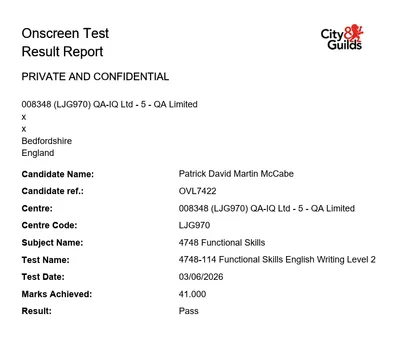
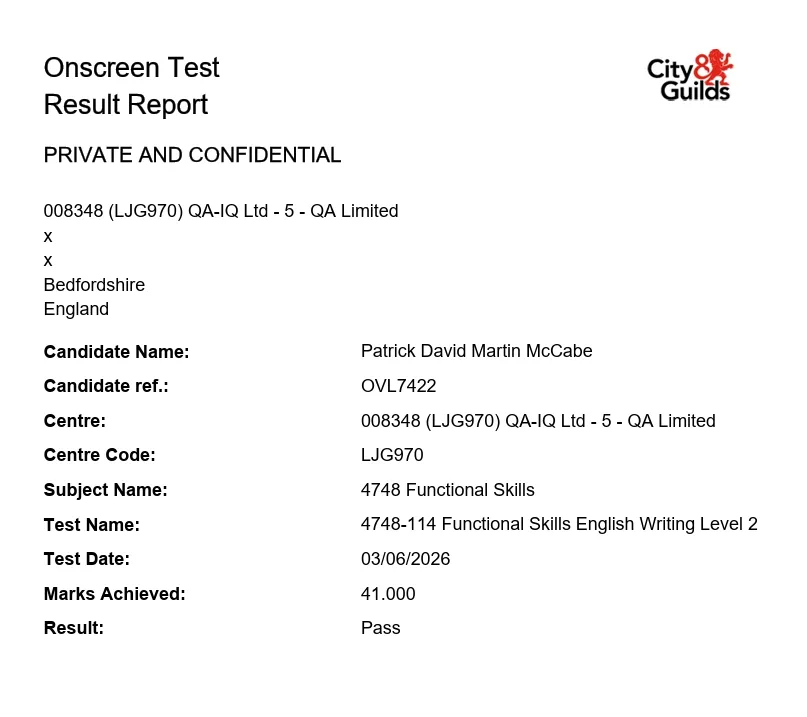
KSB 7.2 — Functional Skills Evidence English

Evidence